Erik's Mask
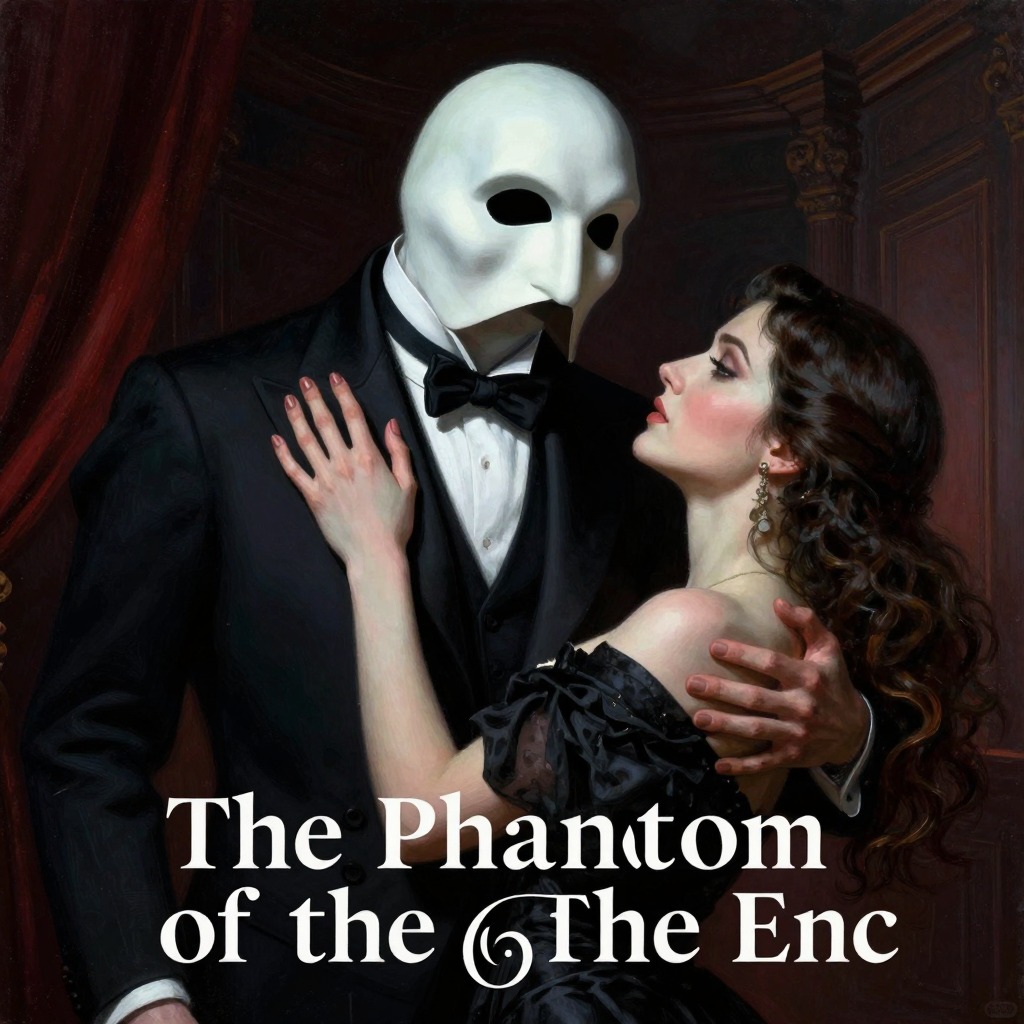
Erik's mask is the most charged object in the subterranean world of the Paris Opera House. It is not merely a piece of cloth or pasteboard; it is the membrane that separates the monster from the man, the invisible voice from the visible horror. Throughout the novel, the mask serves as a condition of Erik's relationships, a barrier that, once breached, unleashes both his fury and his profound vulnerability.
Identity and Function
The mask is first introduced not as a physical object but as a necessary condition of Erik's existence. When Christine Daae, having been lured into his underground home, demands to see his face, Erik responds with a command that becomes the central rule of their captivity: "You are in no danger, so long as you do not touch the mask" . The mask is thus established as a protective boundary—not for Erik alone, but for anyone who might look upon him. It is the device that allows him to function in the world, to give voice lessons, to move through the Opera, and to sustain the illusion that he might be loved. When Christine later tears it away, the act is not merely one of curiosity but of transgression, and Erik's reaction reveals the depth of his dependence on this concealment.
The Unmasking and Its Aftermath
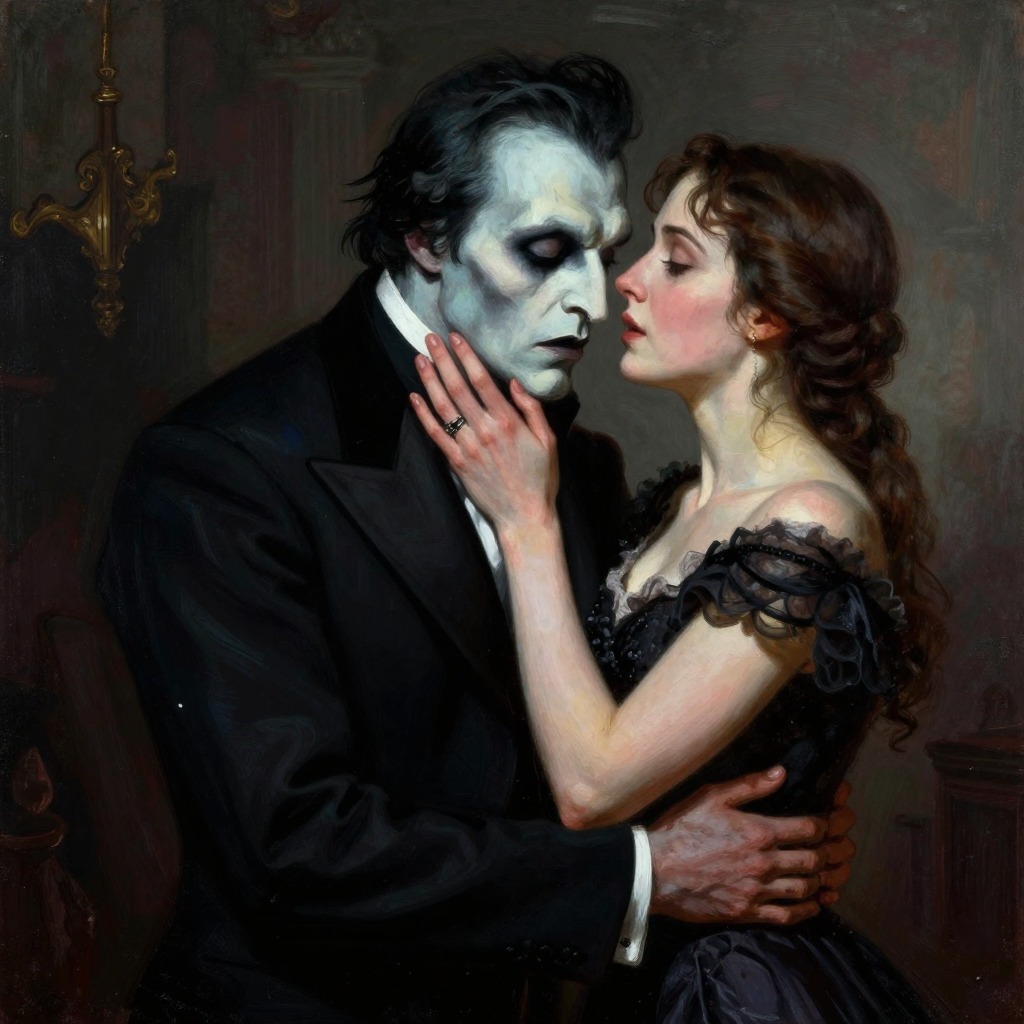
The pivotal unmasking occurs during a duet from Othello, when Christine, overcome by a need to see the face behind the voice, tears off the mask with a movement she cannot control. The result is catastrophic: "Oh, horror, horror, horror!" . Erik's response is a torrent of rage and grief. He forces her hands into his flesh, crying, "Know that I am built up of death from head to foot and that it is a corpse that loves you and adores you" . The mask's removal does not reveal a man; it reveals a walking corpse, a living death that Erik himself cannot escape. In this moment, the mask is revealed as more than a disguise—it is the last vestige of his humanity, the only thing that allows him to pretend he belongs among the living. Without it, he is reduced to the "living corpse" he was exhibited as in fairs, a creature of pure horror.
The Mask as a Condition of Love
Erik's relationship with his mask is inextricable from his longing for love. He tells Christine that his own mother, unable to bear the sight of him, "made me a present of my first mask" . The mask is thus a maternal inheritance, a gift of rejection that he has worn his entire life. When Christine, after the initial horror, swears that she will not flinch again, Erik dares to believe her. He falls at her feet, and the mask becomes, for a moment, unnecessary: he kisses the hem of her dress, and she closes her eyes. But the mask is never truly abandoned. Even in his final, tearful confession to the Persian, Erik cannot remove it without warning his listener not to look. The mask remains the condition of his visibility: he can be seen only when he is not truly seen.
Narrative and Thematic Significance
The mask operates as the novel's most potent symbol of the divide between inner and outer, between the sublime voice and the grotesque face. It is the object that makes Erik's tragedy possible: without it, he could never have approached Christine; with it, he can never be truly known. The mask is also a narrative device that controls the reader's access to horror. For most of the story, Erik is heard but not seen, a voice without a body. The mask sustains this mystery, and its removal delivers the full shock of revelation. In the end, the mask is not just Erik's protection but the novel's central mechanism for exploring whether love can survive the sight of absolute otherness. The answer, ambiguous and painful, is that it can—but only in the form of pity, not passion, and only after the mask has been torn away and the tears have flowed.